
How Utah Inmate Records Work
Utah does not operate one combined statewide jail roster for every person booked in every county. County sheriffs operate the local jails, and each county controls its own booking records, roster display, release processing, local reports, and records-request route. Those county jail records are the right place to start for new arrests, pretrial custody, short local sentences, and people held on local warrants or court orders.
The statewide correctional layer is the Utah Department of Corrections, or UDC. UDC runs the state prison system, Adult Probation and Parole supervision, state community correctional centers, and the Inmate Placement Program. UDC says its public Offender Search is for people currently under UDC supervision and that people awaiting trial or not yet sentenced in county jail are not listed. That one boundary explains most failed Utah searches: a county jail detainee may be public through a sheriff roster but absent from UDC, while a sentenced UDC inmate may appear in the state system even if physically housed in a county jail under a placement contract.
Federal and immigration custody are outside both systems. A person prosecuted federally may move through U.S. Marshals custody and then into the Federal Bureau of Prisons after sentencing. A person detained for immigration purposes should be searched through ICE's Online Detainee Locator System rather than a Utah county roster, unless a county jail is only showing a local booking event or hold.
The official UDC Offender Search page is the statewide starting point for Utah prison, probation, parole, and UDC-supervised placement records.
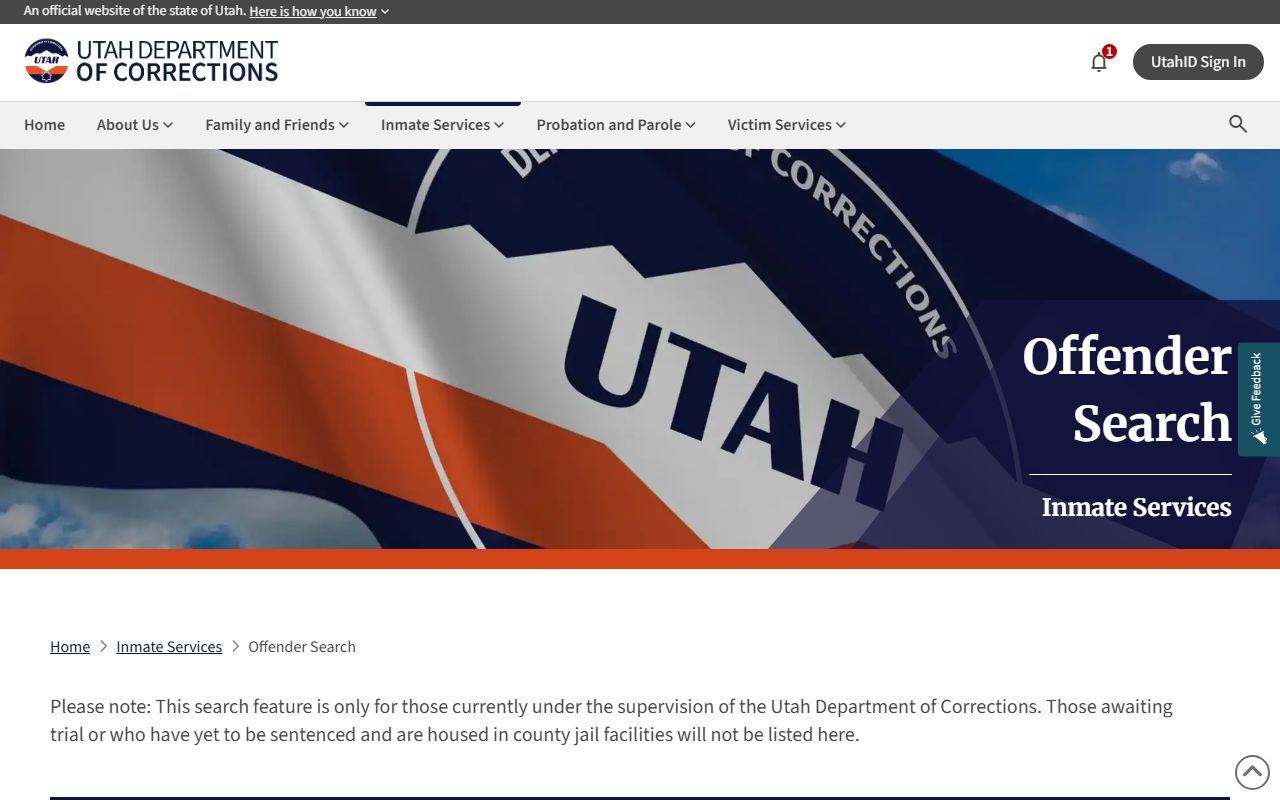
The key limitation is just as important as the search box: UDC does not list unsentenced people who are only awaiting trial in county jail.
How to Find an Inmate Anywhere in Utah
Use a sequence instead of guessing at one database. Utah custody can move from a county booking to state supervision, federal custody, immigration detention, or victim-notification feeds, and those systems do not update at the same speed. When dates, release information, or safety decisions matter, confirm with the official agency that owns the record.
- Start with the county jail roster or sheriff page if the person was arrested today, recently booked, awaiting first appearance, awaiting trial, or serving a local jail sentence.
- Use UDC Offender Search when the person may be sentenced to Utah prison, on probation, on parole, in a community correctional center, or housed in a county jail as a UDC state inmate.
- Search by UDC ID number when available. For name searches, try exact legal names first, then alternate spellings, middle names, prior surnames, and hyphenated forms.
- Open the correct local page from the County Directory when you need a county roster, jail records office, visitation rule, mail rule, bond detail, or local release contact.
- Use the BOP inmate locator for sentenced federal custody. Use ICE ODLS for immigration detention.
- Use Utah VINELink for custody-status notifications, and use Utah Courts Xchange or MyCase when the question is about charges, hearings, judgments, or case outcomes.
County, State, Federal, and Immigration Custody
Utah records are most reliable when matched to the custody system. A jail building can contain different legal populations: pretrial county detainees, people serving local sentences, state inmates placed by UDC, federal detainees, or people with immigration-related holds. The public-facing lookup depends on who has custody and why the person is there.
| Custody | Run By | Where to Look | Important Limit |
|---|---|---|---|
| New arrest, pretrial custody, local sentence | County sheriff or local jail authority | County jail roster through the County Directory | Roster fields, photos, and release timing vary by county. |
| State prison, probation, parole, UDC county placement | Utah Department of Corrections | UDC Offender Search | UDC says unsentenced county-jail detainees are not listed. |
| Sentenced federal custody | Federal Bureau of Prisons | BOP inmate locator | BOP is national and covers federal inmates from 1982 forward. |
| Immigration detention | U.S. Immigration and Customs Enforcement | ICE Online Detainee Locator System | Search by A-Number or biographical information, not by Utah county alone. |
| Custody notification | Utah VINE / VINELink | Utah VINELink | Notification support does not replace direct confirmation with the agency. |
| Charges and case outcomes | Utah Courts | Xchange or MyCase | Court records are not the same thing as physical custody status. |
The UDC Inmate Placement Program page explains why many Utah state inmates are physically housed in sheriff-operated county jails.
Because UDC screens eligible state inmates for county placement, a county jail location does not always mean the person is only a county detainee.
What a Utah County Jail Roster Shows
County jail roster fields are not identical statewide. Some counties publish searchable online rosters, some publish booking lists, and some require sheriff contact or a records request for details that are not online. A roster is usually a custody snapshot, not a full criminal history and not a final court outcome.
| Field Label | Type | Typical? | Notes |
|---|---|---|---|
| Last Name | Text | Yes | Use legal surname first, then spelling variants or prior surnames. |
| First Name | Text | Common | Some systems allow partial-name searching, while others require a fuller name. |
| Booking Number | Identifier | Common | A jail booking number is local and is not the same as a UDC offender number. |
| Booking Date | Date | Common | Useful for distinguishing people with similar names and for recent-arrest searches. |
| Facility | Location | Varies | Important in counties with more than one jail building or work-release site. |
| Charges / Holds | Text | Varies | Booking charges can differ from charges later filed in Utah Courts. |
| Bond / Bail | Amount or status | Varies | Confirm current bond and release eligibility with the jail or court. |
What a Utah Inmate Profile Shows
UDC public-information guidance lists several categories that may be available about inmates and offenders under supervision without a GRAMA request. County jail profiles use local labels, but many of the same concepts appear: identity, custody status, booking or offender number, location, charges or offenses, and release-related information.
| Field | What It Shows |
|---|---|
| Booking / UDC Number | A local jail booking identifier or a statewide offender number used by UDC. |
| Date of Birth | An identity field that helps distinguish people with the same or similar names. |
| Legal Status | Whether the person is booked locally, sentenced, on probation, on parole, or otherwise under supervision. |
| Charges / Offenses | County booking allegations or state sentence/offense information, depending on the system. |
| Sentence / Board Dates | UDC public categories can include sentence length, Board hearing date, parole date, or expiration date when applicable. |
| Facility / Housing | The jail, prison, county placement, building, or supervision location listed by the record owner. |
| Sentencing Court / Case Number | UDC public categories may include sentencing court, sentencing date, and case number for state offenders. |
| Photo | UDC identifies prison photo or mug shot as a public category; county roster photo practices vary. |
The Federal Bureau of Prisons inmate locator is separate from Utah jail and UDC records and searches federal sentenced custody nationwide.
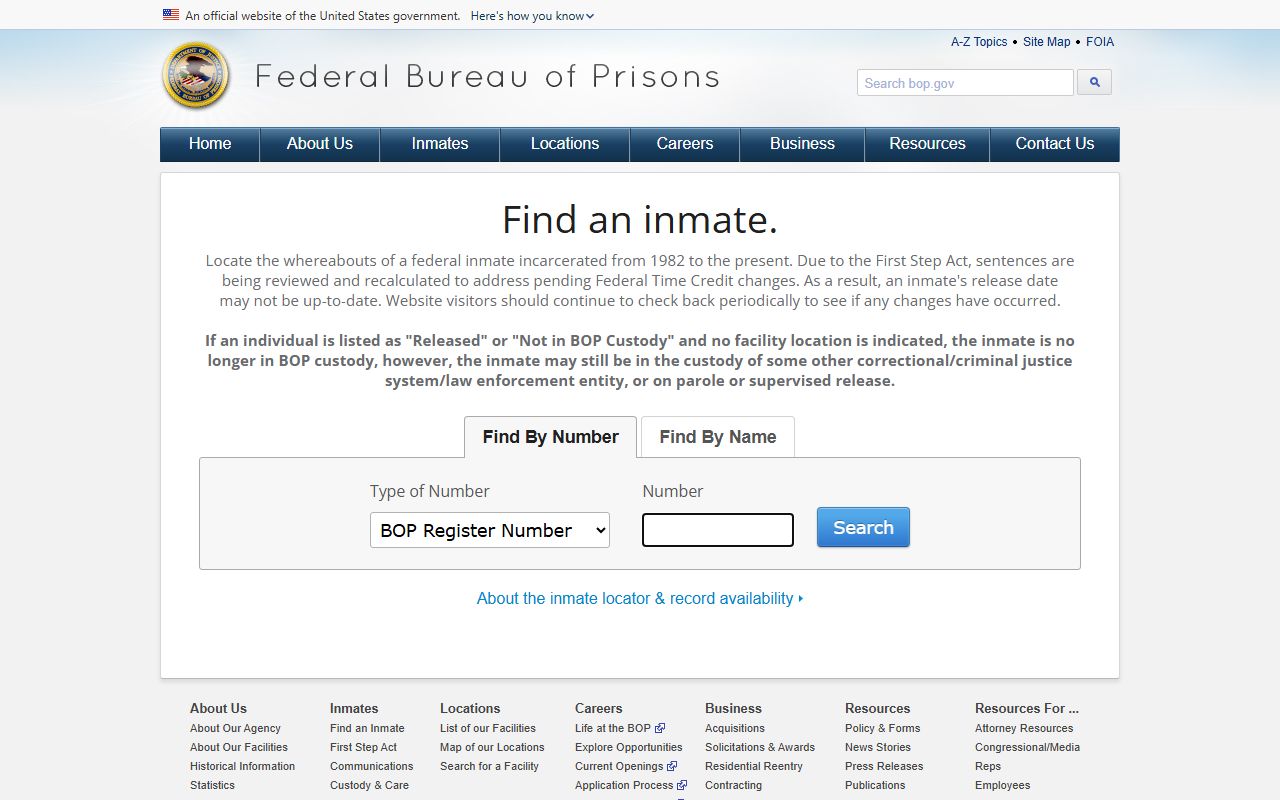
A Utah resident sentenced in federal court may be designated to a federal facility outside Utah, so the national BOP locator is the correct search path.
Utah Detention Facilities
Utah detention records live across county jails, UDC prisons, UDC community correctional centers, work-release or holding facilities, and separate youth facilities. The statewide facility directory is for routing and context. It does not replace the local roster, because booking rules, release contacts, mail formats, visitation schedules, and commissary providers are facility specific.
Visitation, Mail, and Inmate Funds
Do not use a statewide inmate record as the only source for visitation, mail, phone, or commissary instructions. County jails set their own schedules, identification rules, visiting formats, mail screening rules, release procedures, and money-deposit options. UDC facilities and community correctional centers use their own rules, and a state inmate placed in a county jail may still need jail-specific logistics for visits or mail.
Note: Confirm custody and facility rules before visiting, mailing items, or sending money because Utah jail and UDC procedures vary by location.
Utah VINELink is the statewide notification portal for custody-status information and registration.
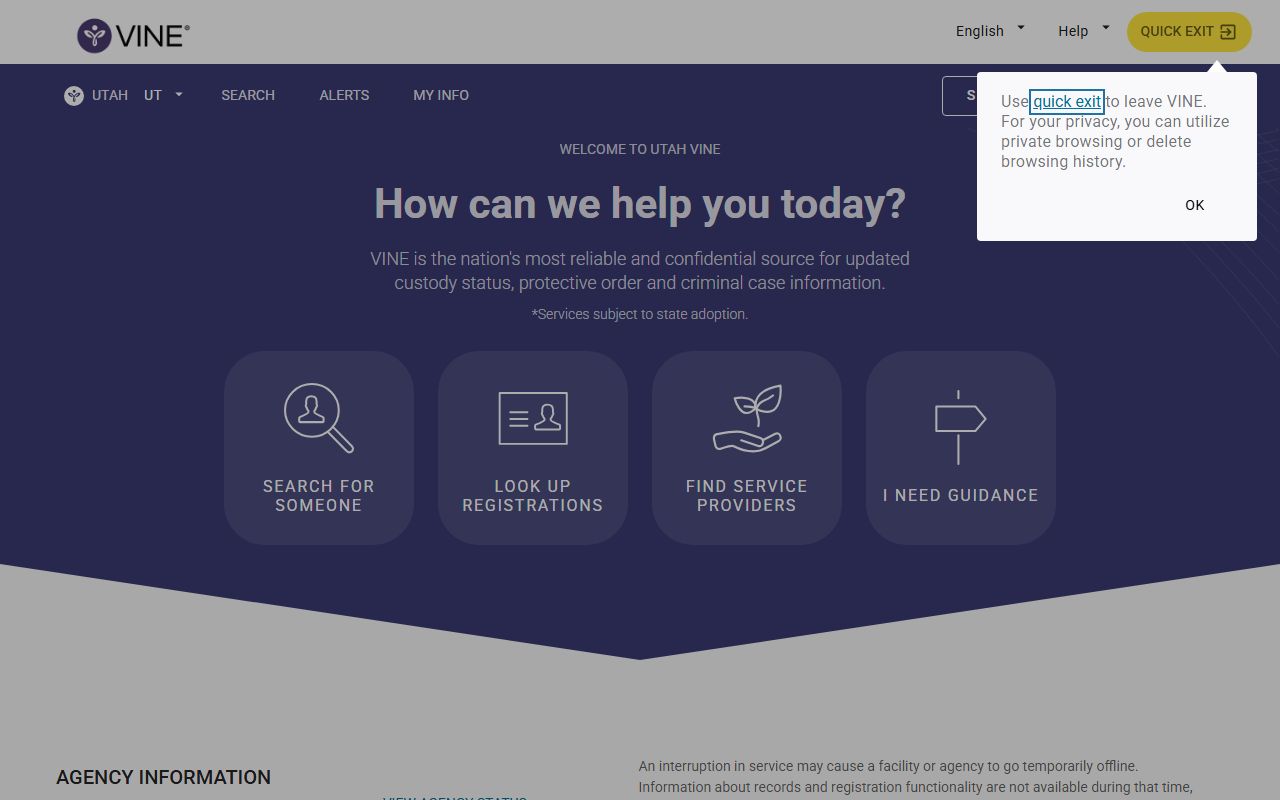
VINE can help track release, transfer, escape, death, and certain UDC movement events, but UDC cautions that it should not be the only safety resource.
Public-Records Requests for Inmate Records
Utah's Government Records Access and Management Act, commonly GRAMA, governs public records statewide. Utah Code Section 63G-2-201 recognizes the public right to inspect public records free of charge and receive copies subject to the statute. Utah Code Section 63G-2-204 describes written requests and agency response duties. The custodian matters: county jail records usually go to the sheriff or county records office, while UDC records go through UDC's records route unless the record belongs to a different agency.
UDC says some inmate and offender information is available to the public without a GRAMA request. Public categories listed by UDC include date of birth, legal status, offender number, housing location, offenses or sentence length, Board hearing date, parole or expiration date, sentencing court, sentencing date, case number, and prison photo or mug shot. UDC also says safety, security, and privacy concerns can exempt records from release.
- Search the public roster or UDC Offender Search first when the question is basic status, number, location, sentence, board date, or release-related information.
- Identify the record owner: county sheriff for jail booking records, UDC for state corrections records, Utah Courts for case records, BOP for federal prison records, and ICE for immigration custody records.
- Submit a written request that names the person, known identifiers, date range, facility, case number, sentencing court, and the exact record type requested.
- Expect redactions or denials for protected, controlled, private, sealed, expunged, juvenile, medical, security, safety, investigative, or privacy-restricted material.
UDC's media guidance adds a medical-record caveat. As of July 1, 2023, prison medical staff transferred from UDC to the Utah Department of Health and Human Services, and UDC no longer has authority to release prison medical, mental-health, dental, or vision records. Those requests use the Correctional Health Services Division GRAMA request route.
The UDC media and public-information page identifies public offender-information categories and explains that GRAMA requests can still be limited by safety, security, or privacy concerns.
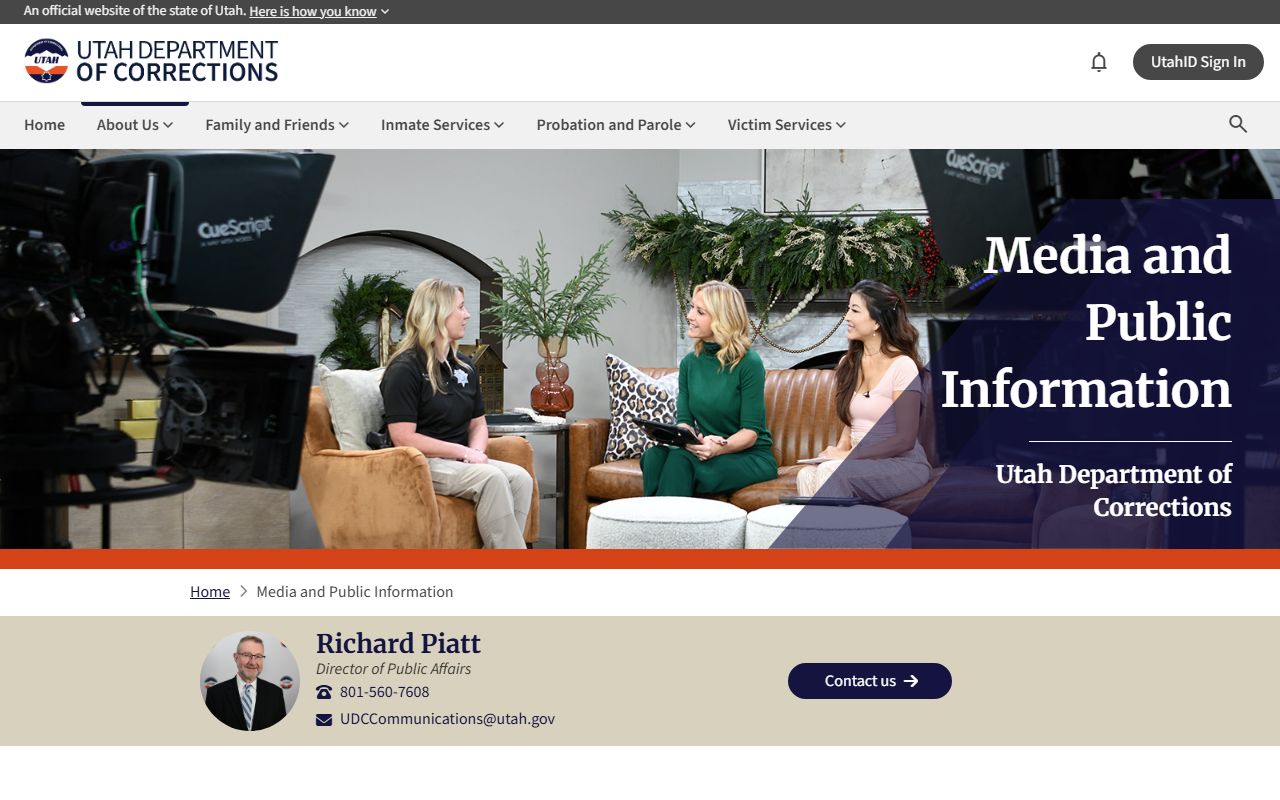
That distinction keeps a basic Utah inmate record search separate from a formal request for documents, data, or records that are not already displayed online.
When the Inmate Record Is Not Enough
A jail roster shows custody. It does not prove guilt, provide a complete criminal history, or always show what prosecutors ultimately filed. Utah Courts Xchange is the public statewide case-information channel for district and justice court records. Utah Courts says Xchange shows public case information entered into CORIS, including party names, judges, attorneys, documents filed, hearings, judgments, and outcomes of completed cases. It does not display records that are not open to public inspection, including sealed cases, expunged cases, and juvenile delinquency, child welfare, or termination cases.
Use court records when you need the case number, filed charge, hearing history, judgment, or disposition. Use the jail or UDC record when you need custody status, housing location, booking status, or state supervision information.